Following extensive consultation and industry engagement, the UK Government has confirmed that the Decent Homes Standard (DHS) will be enforced across the Private Rented Sector (PRS) from 2035. The announcement, made on 28 January 2026, also confirms key exemptions and removes previous age-based replacement requirements.
The extended deadline provides us with additional time to prepare and ensure compliance. Importantly, the Government has moved away from a rigid, tick-box approach. Age-based replacement rules for kitchens and bathrooms will no longer apply, and additional requirements around enhanced security measures and floor coverings have been withdrawn, recognising that much of the PRS already meets acceptable standards.
The Government has also confirmed several important exemptions. These include situations where tenants refuse access, where Minimum Energy Efficiency Standards (MEES) exemptions apply, or where physical or planning constraints prevent necessary improvements. This is particularly relevant for older or listed properties where certain upgrades may not be feasible.
Clear and consistent guidance from local authorities will now be essential to ensure landlords and agents can comply effectively.
What the New Standard Requires
To meet the Decent Homes Standard, properties must satisfy five key criteria:
A) Safety:
Properties must be free from Category 1 hazards under the Housing Health and Safety Rating System (HHSRS). Local authorities will be required to take enforcement action where serious hazards are identified.
B) Reasonable State of Repair:
Key building components must be maintained in good condition, ensuring the property remains structurally sound and safe.
C) Core Facilities and Window Safety:
Homes must provide adequate kitchen and bathroom facilities, and appropriate window safety measures must be installed where there is a risk of falls, including child-resistant restrictors where necessary.
D) Heating and Energy Efficiency:
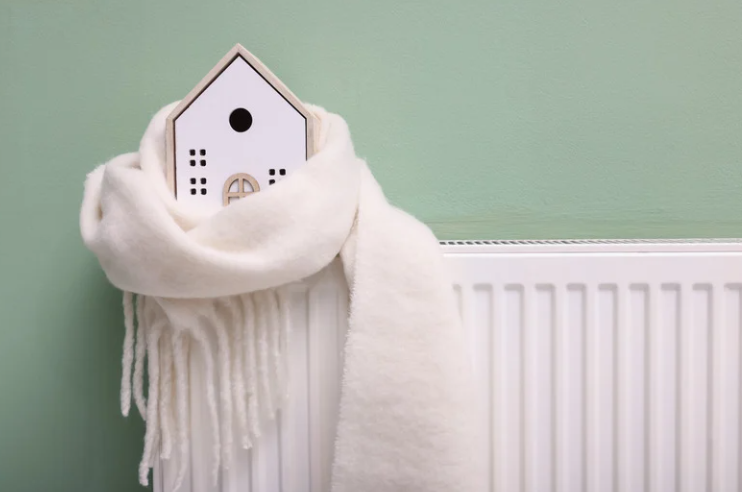
Properties must provide adequate thermal comfort and meet applicable energy efficiency standards, including compliance with MEES regulations.
Improving energy efficiency remains a central objective. Residential buildings account for a significant proportion of the UK’s greenhouse gas emissions, and the updated standard reinforces the importance of improving insulation, heating systems, and overall energy performance.
E) Damp and Mould Prevention:
Landlords must take proactive steps to prevent and resolve damp and mould issues promptly, reflecting increased regulatory focus in this area.
The Government has reinforced that damp and mould must be addressed quickly and proactively. This aligns with wider housing reforms and the anticipated extension of stricter timelines for investigating and resolving damp and mould issues within the PRS.
Landlords and agents will need robust reporting procedures, good record-keeping, and timely action when problems arise.
Enforcement, Penalties and Compliance
Local authorities will be responsible for enforcing the Decent Homes Standard. Councils will have powers to inspect properties, require improvements, and take enforcement action where standards are not met.
Where serious hazards are identified, local authorities will be required to act and may issue fines of up to £7,000. More serious or repeated breaches may result in civil penalties of up to £40,000 or criminal prosecution.
Failure to comply with statutory notices may also lead to further enforcement action, highlighting the importance of maintaining clear compliance records and addressing issues promptly.
In summary
While the enforcement deadline of 2035 provides time to prepare, landlords should begin reviewing their properties now to ensure they meet the required standards. Early preparation will help avoid future compliance risks, enforcement action, and potential financial penalties.
As always, we are available to support landlords with compliance reviews, documentation, and ongoing regulatory guidance to ensure properties remain fully compliant.